Kindness does not always look the way people expect it to in 2026, and neither does the compassion that changes lives. It shows up in a garage, in a third row at a graduation, in a voicemail left on purpose for someone who needed to hear themselves described by someone who loved them. I also know that compassion and generosity toward others are actually linked to greater happiness and a deeper sense of meaning across every corner of the world. These 10 real stories of human kindness, empathy, and unexpected wisdom prove that the most powerful thing any person can do in 2026 costs nothing and lasts forever.
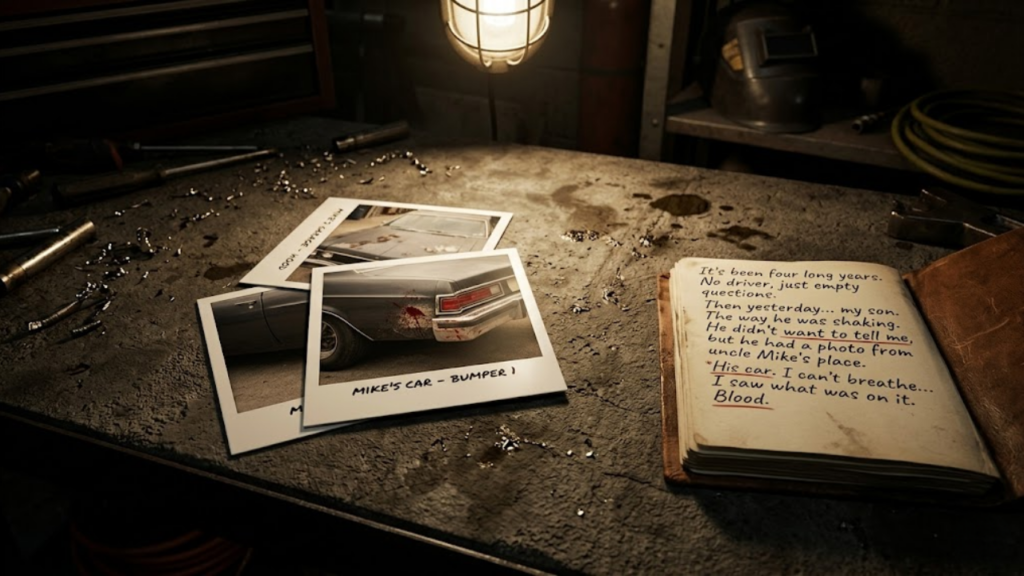
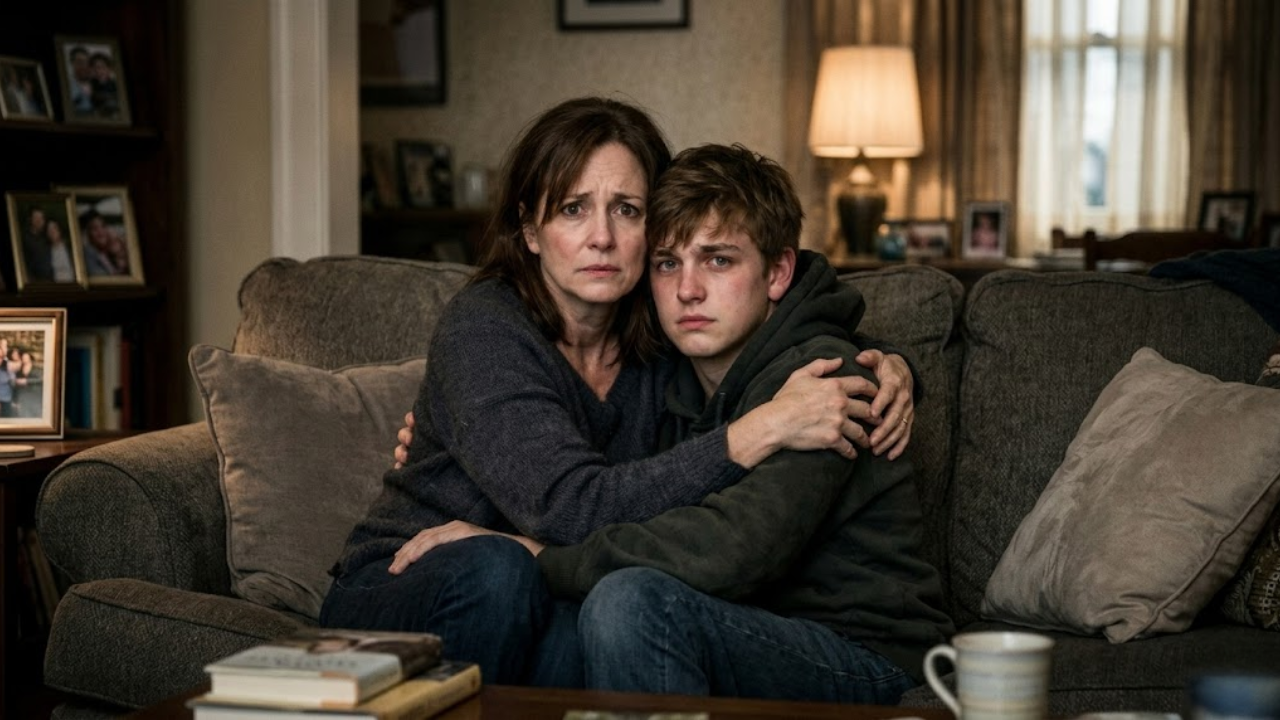
My husband died in a hit and run four years ago. They never found the driver, and I had learned to carry that open ending heavily and quietly every single day. Last month, my son came home shaking and showed me a photo he had taken in Uncle Mike’s garage of a car with a very specific dent on the bumper. I recognized it immediately because my husband had described that car in the seconds before he lost consciousness. I called Mike, and before I could speak, he told me he had been trying to find the right way to tell me for four years. He hadn’t been the driver; he had witnessed the accident, followed the car, and spent four years privately consulting lawyers and documenting everything. He was terrified that without solid proof, the case would be dismissed and I would be traumatized further. He handed everything to a detective the next morning, and the case was reopened. He had carried that secret alone and in silence because he loved his brother and wanted to ensure justice was certain.
My sister and I had not spoken in three years over something that felt enormous at the time. Last spring, she showed up at my door unannounced holding an ultrasound photo. I assumed she was pregnant, but she told me it was mine, from eleven years ago. Our mother had kept it, and my sister found it while clearing out her house. She had driven four hours because she did not want to mail something so precious. She hadn’t come to make a speech about family; she just came because she had something that belonged to me and couldn’t imagine keeping it. We have had dinner every Sunday since. That ultrasound is on my fridge now, a reminder that sometimes a small photograph handed over on a doorstep is what finally breaks the silence.
 10 Moments Where Kindness Grew Into Compassion and Quietly Became Someone’s Happiness in 2026
I was new to my job and made an error that affected a major client presentation. My senior colleague, a woman I had worked with for only three months, stood up in the debrief and said she had reviewed my work and missed the error herself, so the responsibility was shared. It wasn’t true—she hadn’t reviewed it. I sat there stunned while she absorbed the blame. Afterward, I asked her why, and she said she remembered being new once and that one bad week shouldn’t define the good work she had watched me do. She gave me something I hadn’t earned and could never repay, and she never brought it up again.
I was stranded at an airport for nine hours after a cancelled flight with no charger and my phone at two percent. A woman at the gate noticed my distress and handed me her portable charger, telling me to keep it because she had another. When I tried to return it later, she waved it away. She explained that she bought extra chargers specifically to give away because she had once been in that situation and it was the worst part of a bad day. She had been carrying spares for strangers for years. I have done the same thing every time I travel since.
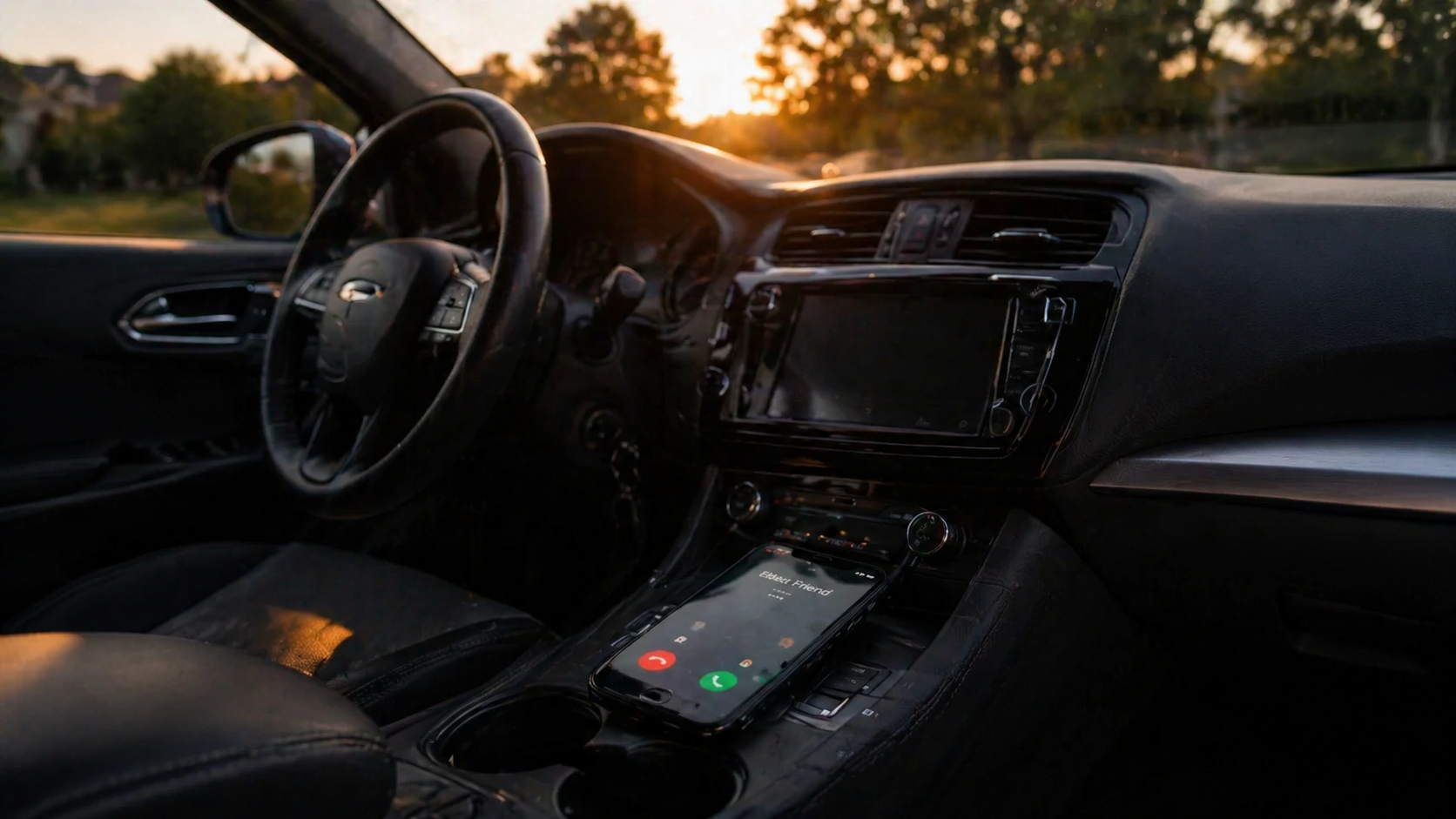
When my doctor gave me my test results, I was alone and sat in my car not knowing who to call. My phone rang; it was my oldest friend calling to tell me a funny, unrelated story. I didn’t tell him what had happened; I just listened and laughed. By the end of the call, I was reminded that my life contained things other than the news I had just received. He never knew he called at the exact right moment. When I told him months later, he said he just had a feeling and picked up the phone. I believe him completely.
My colleague lost his teenage son last year and returned to work after three weeks because staying home was harder. Most people said nothing, leaving him in a painful silence. On his first day back, he found a drawing on his desk by the receptionist’s seven-year-old daughter, who had heard a “sad man” was coming back to work. It was a picture of a boy in a field with a large sun and the words: “he is in the warm part now.” My colleague kept it in his top drawer for months. He said that child provided the only thing that helped because she didn’t try to make sense of the loss; she just put his son somewhere good.

I was scheduled to work the Christmas morning shift at the hospital. My four-year-old daughter was vibrating with excitement at 5am, and leaving her at 6am was heartbreaking. When I got to work, I found a note on my locker from a colleague. She had rearranged the entire rota overnight and swapped shifts so I could go home until 2pm. She had a family and a Christmas morning of her own, but she gave me hers without making a scene. She told me my daughter needed me more than her family needed her for those first few hours. I have covered every shift she has ever asked for since.
Six months after my husband passed, I noticed a new bench in the park where we had walked every Sunday for twenty years. A plaque on it bore his name and the words: “he stopped here often and always had something kind to say.” Neither I nor my family had put it there. I discovered that a group of local residents had applied for it together—people he had met on his walks, whose dogs he petted and whose children he waved at. He had never mentioned them, but his consistent kindness for twenty years had touched these strangers so much they wanted him remembered.

My brother was going through the worst period of his life. One evening, I called and left a twenty-minute voicemail. I didn’t talk about his problems; I just spoke about our childhood and all the reasons why I thought he was one of the best people I had ever known. I described the version of him I had seen for forty years. He called the next morning and said hearing himself described from the outside, when he couldn’t see himself at all from the inside, was what shifted his perspective. I still leave him voicemails today because having a record of being loved is different from just being told.
My mentor retired two years before I finished my doctorate. I didn’t expect her at my graduation because she lived far away and had no formal reason to attend. But there she was in the third row. She hadn’t told me she was coming because she didn’t want me to feel obligated to find her; she just wanted to be there. Seeing her face made me lose my composure on stage. She had driven three hours just to watch the end of a journey she helped build. She left right after with a text that said, “You did it, I always knew you would.” Seven years of work were acknowledged in that one sentence by someone who chose to be there anyway.