Work is not always easy, but kindness can give it meaning. These stories show how compassion, empathy, and simple acts of care turned difficult days into ones people never forgot. In stressful workplaces, human connection can be the very thing that makes people want to keep showing up.
At our local pharmacy, a cashier was helping a young mother buy medicine while her baby cried loudly in her arms. One customer mocked the scene and made a rude comment about whether the cashier could even do the job properly. The cashier flinched and apologized, while the mother quietly thanked her, clearly embarrassed. The man kept muttering under his breath, and the whole store seemed to fall silent. Then an older pharmacist came out from the back, handed the mother another bottle of the same medicine at no charge, and gently told her she was taken care of. The cashier finally smiled, the mother hugged the pharmacist, and the rude customer left looking much smaller than before. Later, I heard the cashier tell her coworkers that moments like that were the reason they did this work.

During a night shift at the hospital cafeteria, a cleaner was quietly crying while wiping down tables. Security had just told her she could be reported for lingering during her break. A supervisor accused her of avoiding work and scolded her in front of everyone. Some people stared, but no one stepped in. She tried to explain that her son had been taken to another emergency room across town, but the supervisor coldly said that personal problems were not workplace problems. Then one of the surgeons stood up, called her a taxi, gave her money, and told her to go to her son immediately. He promised to finish her cleaning route himself so she would not lose any pay. He actually stayed behind and began wiping down tables. Watching a senior doctor clean at two in the morning changed the way I saw leadership forever.

While working retail during the holiday rush, I was accused by a customer of giving the wrong change and asked for a manager. My supervisor believed her immediately and told me to empty my pockets in front of everyone. People standing in line even started recording on their phones. I felt completely humiliated and was sure I would lose my job. The register had not even been counted yet. Then another cashier quietly suggested reviewing the camera footage. At first no one paid attention, but she kept insisting and eventually pulled up the recording herself. It showed the customer counting her own money and absentmindedly slipping some into her pocket. The customer left without apologizing. Later, the cashier told me she had stayed past her shift and missed her bus home just to help prove I had done nothing wrong. That was the moment I understood that kindness at work often means taking a risk for someone else.

At an airport gate, a young mother was arguing with staff because she could not afford an extra baggage fee. The airline agent assumed she was just being difficult and threatened not to let her board. Other passengers complained that she was delaying everyone. Finally, she explained that the suitcase contained medical equipment for her child. Even then, people still rolled their eyes. A flight attendant stepped forward, paid the baggage fee herself, and told the agent to process it without making a scene. She moved on as if it were nothing special. Later, I overheard someone say that this same attendant had been working extra shifts because money was tight for her too. She used money she had not fully earned yet to help someone else travel safely. Watching that moment felt like seeing compassion break through a wall of rules and indifference.
At a warehouse, I was blamed during an audit when inventory numbers did not match. Since I was the newest employee, management assumed the mistake was mine. Coworkers avoided me as if standing too close might make them look guilty too. A supervisor hinted that I might be fired before the weekend, and I barely slept that night. The next morning, one longtime employee asked to check the records again by hand. He spent hours going through paperwork during his unpaid break and discovered that a system glitch had duplicated several entries. He went directly to management and defended me, even though he already had a reputation for being too outspoken. Later he admitted that speaking up had already cost him a promotion once, but he did it again anyway. I kept my job because he decided that fairness mattered more than staying comfortable.

At the small restaurant where I worked, one waitress was publicly criticized by the owner after a customer complained about slow service. He knew perfectly well that her babysitter had canceled and that her child was in the kitchen doing homework while she worked. Still, he threatened to cut her shifts. She stood there exhausted and silent while customers whispered about how unprofessional she looked. Then one regular customer stood up and praised her in front of everyone, saying he had seen how capable and caring she always was. He even reminded the owner that she had once helped an elderly woman who fainted in the restroom. Before leaving, he quietly left a very large tip and told her to go home early. He covered the cost of the missed tables himself. Watching a stranger defend her when her own boss would not was more powerful than I expected.

At a call center, a client screamed at me for nearly twenty minutes and blamed me for ruining his business. My supervisor listened to the call and messaged me to handle it better, which only made me feel worse. The caller demanded compensation that I was not allowed to approve, and when I said no, he called me useless. After the call ended, I just sat there trying not to cry. A coworker I hardly knew came over, switched seats with me, and took my next five calls without even asking. She told the supervisor I was helping her with training so I could step away for a few minutes. Later, I found out that taking those calls hurt her performance numbers and cost her a bonus. She only shrugged and said everyone needs help sometimes. For the first time, that job felt a little less cold.

At a clothing store, a teenage employee was stopped by security after her shift because an item of merchandise was missing. Management assumed she had stolen it. Customers watched while her bag was searched near the entrance, and she kept insisting she had done nothing wrong. Then an older tailor from the alterations section walked over holding the missing item. He said he had accidentally packed it in with the repair orders earlier. Management looked irritated more than sorry, but the girl was finally cleared. Later, I learned that he accepted a written warning that would likely have gone to her. He knew supervisors would go easier on him than on a new trainee. He chose to protect her, even though it meant damaging his own spotless record. That kind of loyalty is rare in any workplace.
At a late-night gas station, a customer threw coins at me because one of the pumps was not working properly. My manager told me to just deal with it so there would not be any complaints. The customer kept insulting me while other people watched, and I could not leave the register. Then a truck driver waiting behind him stepped in and told the man to calm down. The angry customer turned on him too, but the driver paid for the fuel himself just to end the confrontation and told the man to leave. Afterward, he stayed to help me pick the coins up off the floor. He said he had already been driving for fourteen hours and needed rest, but he did not want me to handle that moment alone. Before leaving, he even bought coffee for the whole staff. He lost time and money simply to make sure someone else did not feel powerless.

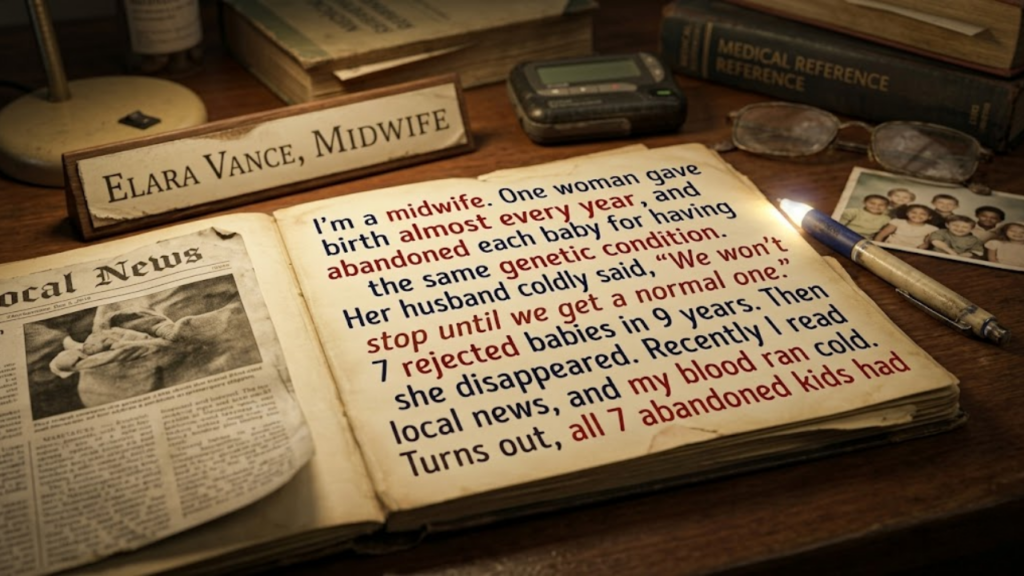
I work as a midwife, and there was one woman who gave birth almost every year but refused to keep any of her babies because they all had the same genetic condition. Over nine years, seven children were abandoned. Her husband insisted they would keep trying until they had a healthy child, and eventually she disappeared. Much later, I read something that stunned me. All seven children had been adopted by the same person, our principal doctor, the head of the department, a man so stern that everyone was intimidated by him. Quietly, without ever seeking praise, he became a father to each of those children. He used his own income to care for them, support their medical needs, and give them a loving life. That was when I understood that true compassion is not always loud or soft in appearance. Sometimes it hides behind the strictest face in the room.
Empathy and compassion do not always look dramatic in the moment, but their impact can last a lifetime. These acts of kindness show how thoughtful choices can change hard situations, help people recover their dignity, and reveal quiet strength in everyday working life.